Sony WH-1000XM5 Review: The Gold Standard for Noise-Canceling Headphones
An in-depth review of Sony's flagship noise-canceling headphones covering sound quality, ANC performance, comfort, and everyday usability.
Introduction: The Legacy of Excellence
Sony's WH-1000X series has dominated the premium wireless noise-canceling headphone market since its debut. The WH-1000XM5 represents the latest evolution, and despite a divisive redesign, it continues the tradition of excellence. For professionals, travelers, and anyone seeking peace in a noisy world, these headphones promise an unmatched combination of sound quality, noise cancellation, and comfort.
The fifth generation brought significant changes: a completely new design, updated drivers, more powerful noise cancellation processors, and refined ergonomics. Sony took risks, removing popular features like the folding mechanism while betting that improved core performance would win over skeptics. Having used these headphones extensively for over six months, this review covers everything you need to know.
At their core, the XM5s try to answer a simple question: what happens when a market leader refuses to rest on its laurels? The result is a product that's simultaneously familiar and reinvented, maintaining what made predecessors great while pushing into new territory.
Design and Build Quality
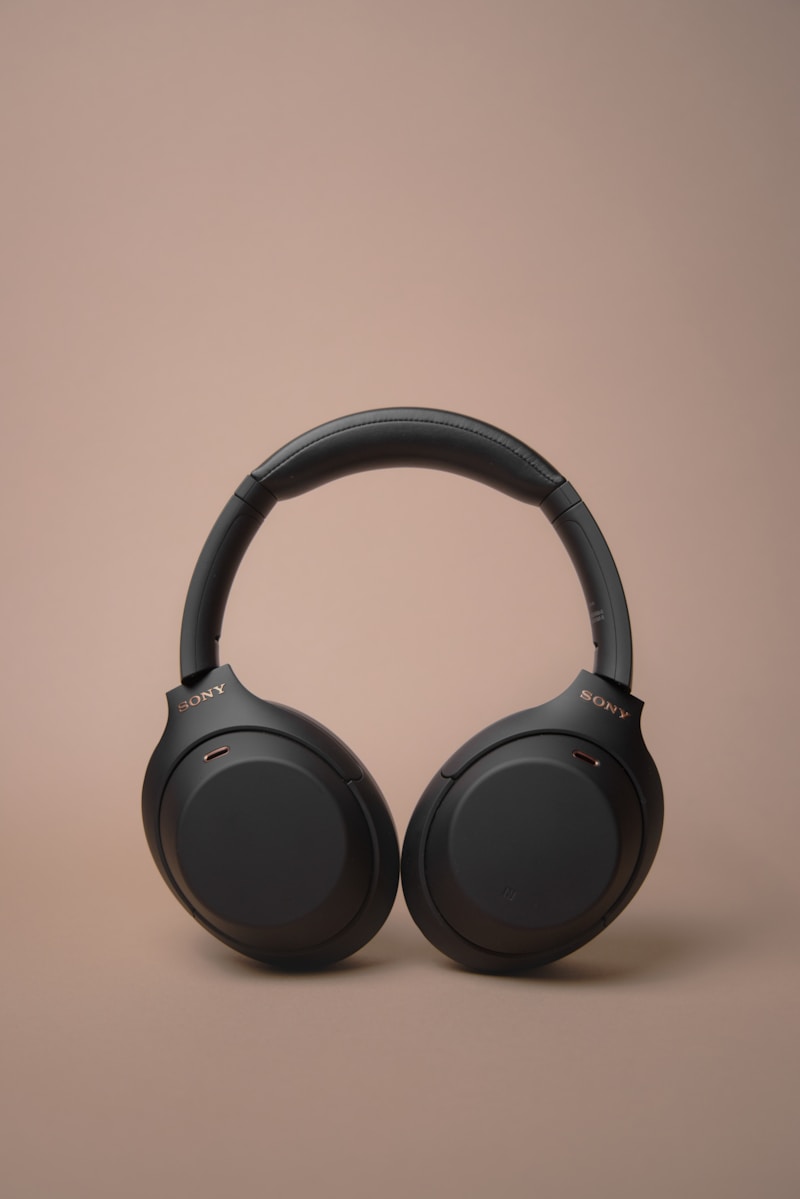
The XM5s abandon the industrial design of earlier models for something softer and more organic. Smooth curves replace sharp angles. The headband uses a single piece of plastic and silicone rather than a segmented metal band. The earcups swivel but don't fold, a controversial decision for frequent travelers used to stuffing XM4s into small bags.
In person, the design grows on you. The matte finish resists fingerprints better than the glossy patches of previous models. The plastic feels substantial without being heavy. Available in black or platinum silver, both colorways look premium and understated—these won't attract unwanted attention in meetings.
Despite using more plastic, durability feels improved in daily use. The flexible headband survives being tossed into bags without the creaking that affected some XM4 units. The included case is larger due to the non-folding design, but it's padded and protective. Sony's decision to prioritize structural integrity over portability makes sense for a product meant to last years.
Weight is reduced to 250 grams, down from 254 grams on the XM4. It doesn't sound significant, but combined with better weight distribution and softer padding, the cumulative effect on long-wearing comfort is noticeable. These don't create the hot spots that competitive products sometimes do.
Comfort and Fit
Comfort was already a strength, but the XM5s improve further. New synthetic leather earpads are softer and deeper, with more room for ears to sit without touching the drivers. The padding doesn't compress excessively over time—even after months of daily use, they're still plush.
The clamping force is lighter than before, which helps with extended sessions but might concern users with smaller heads. Sony includes nothing to adjust the fit, relying on the flexible headband to adapt. For most head shapes, this works well. If you found XM4s comfortable, you'll find these even more so.
Hot weather remains a challenge, as it is for all over-ear headphones with noise isolation. The synthetic leather doesn't breathe, and after an hour in warm conditions, your ears will get warm. This is unavoidable with the design requirements for effective passive isolation. Consider this if you primarily use headphones outdoors in summer.
Active Noise Cancellation
Sony claims the XM5s have the best noise cancellation they've ever produced, and testing confirms this. The combination of eight microphones and two dedicated processors analyses external sounds and generates cancellation incredibly quickly. Low-frequency sounds—airplane engines, train rumble, air conditioning hum—essentially disappear.
Mid-frequency cancellation improved notably. Office chatter, keyboard clicks, and background conversation fade to near-silence. High frequencies remain audible, as physics limits what noise cancellation can do here, but they're significantly reduced. Wind noise handling is better too, helpful for city walking.
The adaptive noise cancellation learns your preferences over time and automatically adjusts based on location and activity. Using the Sony Headphones Connect app, the feature recognizes places you frequent and applies your preferred settings. After the learning period, transitions between environments feel seamless and natural.
Transparency mode pipes in outside sound when needed. Twenty levels of adjustment let you tune exactly how much you hear. At lower settings, it's natural enough for conversations without removing the headphones. At higher settings, you hear almost everything, useful for situational awareness while walking.
Sound Quality
Sony redesigned the drivers for the XM5s, moving to a 30mm unit from the previous 40mm. Smaller drivers might suggest worse sound, but careful engineering proves otherwise. The new design reduces distortion across the frequency range, particularly in bass regions where previous models could get muddy at high volumes.
The frequency response is tuned for mainstream appeal: punchy bass, present mids, and smooth highs. Compared to flat studio monitors, there's warmth and coloration. But that's the point—these are consumer headphones meant to make music enjoyable, not clinical. The EQ in the app allows significant customization if you prefer different tuning.
Staging is intimate rather than expansive, typical for closed-back headphones. Instrument separation is good, allowing individual elements to be distinguished in complex mixes. Detail retrieval impresses at this price point; these aren't just bass cannons. Acoustic instruments, vocals, and electronic productions all sound engaging.
High-resolution audio support includes LDAC, Sony's high-bitrate Bluetooth codec. With compatible sources, you get noticeably better quality than standard Bluetooth codecs. The headphones also support 360 Reality Audio, Sony's spatial audio format for compatible streaming services.
Battery and Charging
Battery life reaches approximately 30 hours with noise cancellation enabled, consistent with Sony's claims in testing. With ANC off, runtime extends further. This comfortably covers transcontinental flights with reserves, or multiple days of normal commuting between charges.
Quick charging through USB-C provides three hours of playback from just three minutes of charging. Helpful when you forget to charge before leaving. A full charge takes about 3.5 hours. The headphones can be used with a cable while charging, useful for desktop use on low battery.
The case doesn't have battery monitoring, and the headphones must be on to check level through the app or voice assistant. A small LED inside the case indicates charging status. Smart features include automatic power-off after unused periods—customizable in the app.
Features and App Experience
The Sony Headphones Connect app is comprehensive, perhaps too much so. Noise cancellation levels, EQ, spatial sound, multipoint connection, voice assistant choice, and numerous other settings fill its menus. Spending time initially to configure everything to preference pays off in daily convenience.
Multipoint connection handles two devices simultaneously—switch between laptop and phone without manual disconnection. One device plays while the other waits, switching automatically when playback changes. It's not perfect; sometimes switching lags or connects to the wrong device, requiring manual intervention.
Touch controls on the right earcup handle playback, volume, and calls. They're customizable but not as responsive as physical buttons; accidental triggers from adjusting the headphones happen occasionally. Speak-to-Chat automatically pauses music and enables transparency when you start talking—clever but sometimes triggers from coughs or sneezes.
Call quality is improved through beamforming microphones and AI-based voice isolation. Background noise is filtered effectively; callers report voices sounding clear even in moderately noisy environments. It's not perfect in very loud places, but better than most competitors.
Comparison to Competition
The Apple AirPods Max costs significantly more and offers better build quality with aluminum construction, but similar audio performance. AirPods Max wins for iPhone users due to seamless ecosystem integration; XM5s are more versatile across platforms and have longer battery life.
Bose QuietComfort Ultra Headphones compete closely. Bose traditionally edges Sony in noise cancellation, but with the XM5s the gap has nearly closed. Bose has slightly better call quality, while Sony wins on sound quality and battery life. Both are excellent choices.
At lower prices, the XM4s remain available and offer most of the XM5 experience. They fold, have nearly as good ANC, and sound similar. For those prioritizing value or portability, the previous generation is hard to argue against.
Verdict
The Sony WH-1000XM5s maintain their position at the top of the wireless noise-canceling headphone market. Improved noise cancellation, excellent sound quality, outstanding comfort, and comprehensive features make them the default recommendation for most buyers. The loss of the folding mechanism is regrettable but not disqualifying for most use cases.
At this price point, expectations are high, and the XM5s meet them. Whether you're a frequent traveler needing peace on flights, a work-from-home professional wanting to focus, or simply someone who appreciates quality audio, these deliver. They're an investment that rewards with daily utility and lasting quality.